

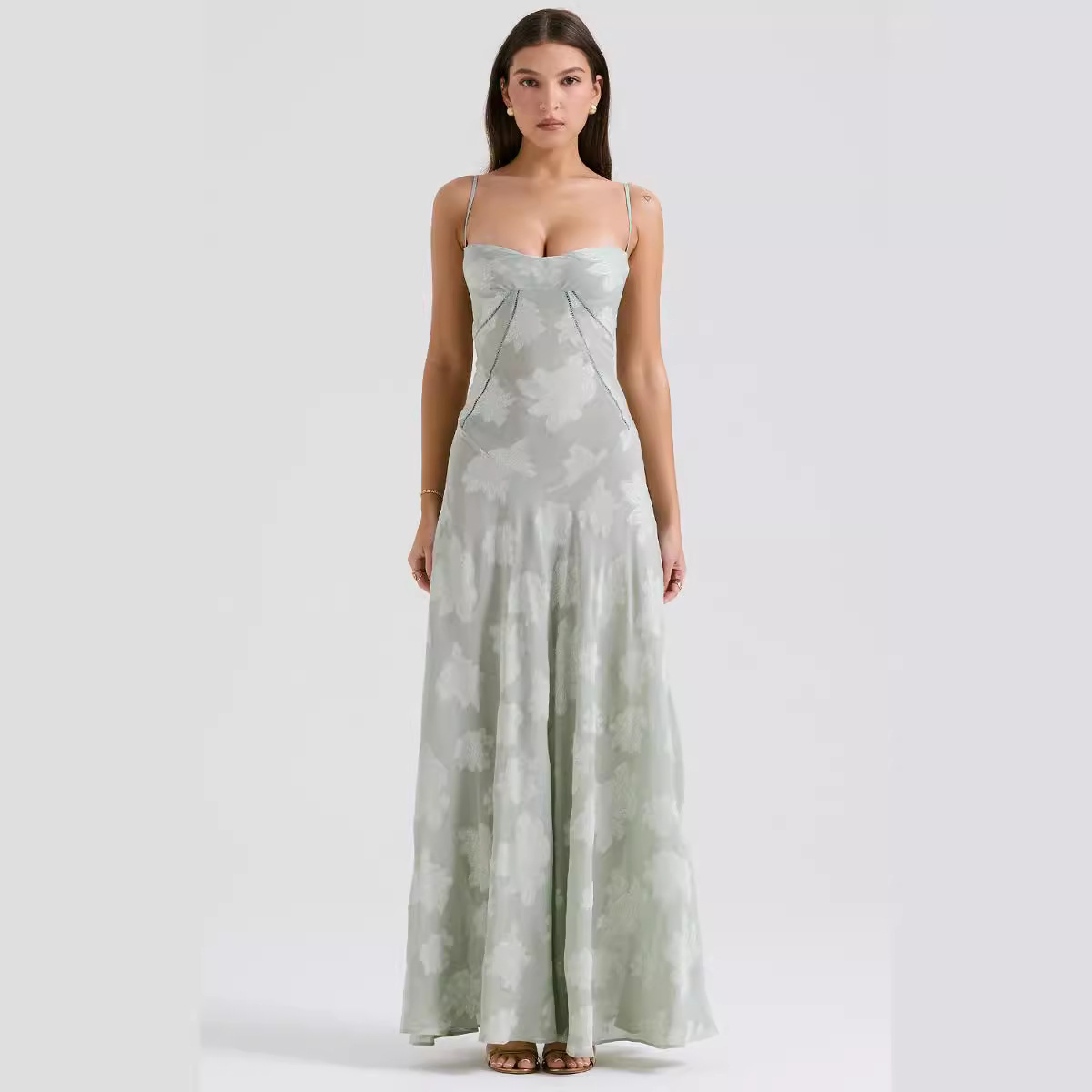
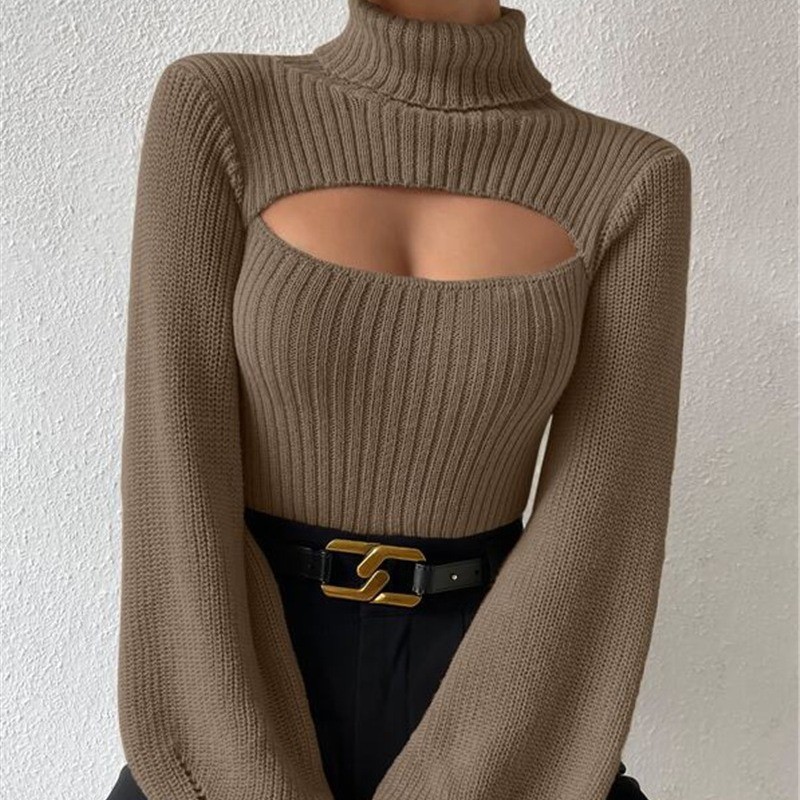
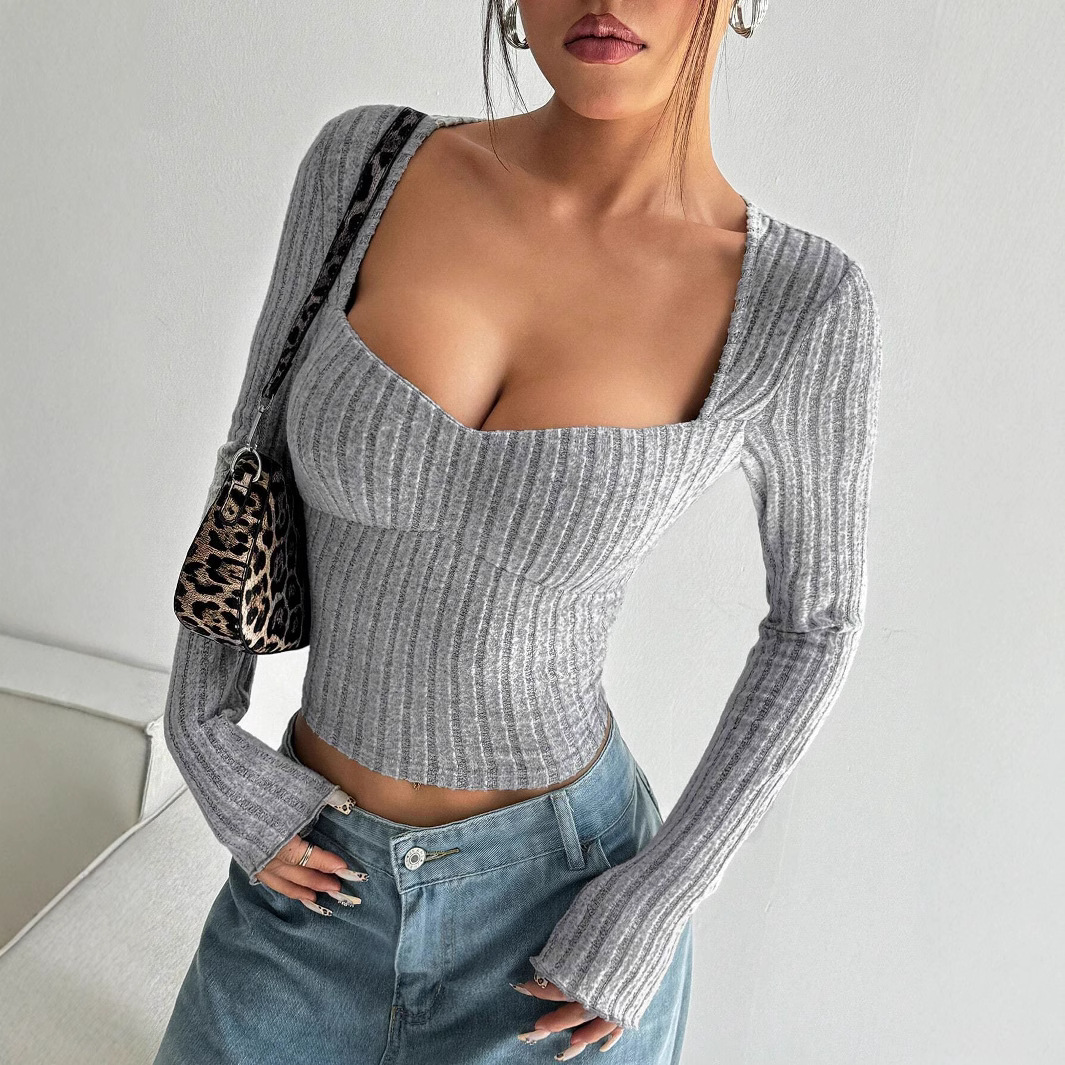




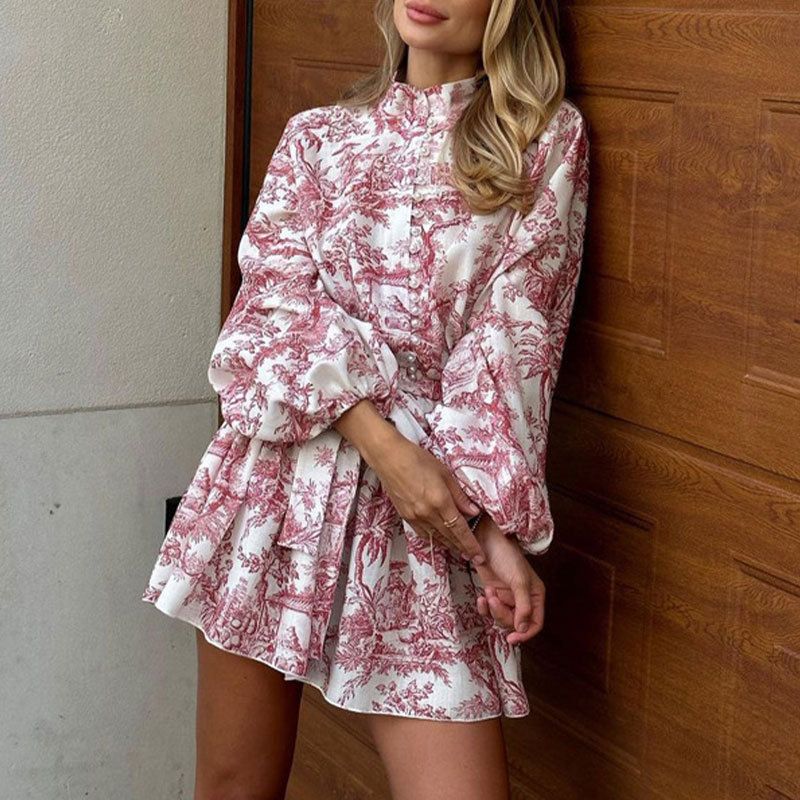
In the modern workplace, office uniforms are no longer simply "uniform wear". They not only directly reflect the professional attitude of office workers but also serve as an important carrier for enterprises to respect diverse cultures and create an inclusive atmosphere. A set of "professional and culturally friendly" work uniforms can enable employees to demonstrate their professional qualities while feeling respected and accepted, thereby enhancing their work enthusiasm and team cohesion. Today, let's delve into how to create an office workwear system that not only conforms to workplace norms but also is compatible with diverse cultures.
I. What is a "professional and culturally friendly" office uniform? First of all, we need to clarify the dual connotations of "professionalism" and "cultural friendliness". "Professionalism" does not refer to the rigid suit and tie, but rather the appropriate dress style formed based on the industry attributes and work scenarios - such as the strict formal wear in the financial industry, the simple business casual wear in Internet companies, and the creative casual wear in the design industry. The core is to make the dress match the work content and the communication needs of clients, and convey a reliable and professional image in the workplace. "Cultural friendliness", on the other hand, is the respect and tolerance for employees from different ethnic, religious and cultural backgrounds on the basis of professionalism. It may be reflected in the details: allowing Muslim employees to wear headscarves in line with religious doctrines, respecting the cultural custom of Indian employees wearing saris, adjusting the clothing materials for employees with religious taboos (such as avoiding the use of specific animal leathers), or avoiding sensitive elements in specific cultures in color and pattern design. In short, "culturally friendly" work uniforms enable every employee to confidently display their professional demeanor without violating their own cultural beliefs. Ii. Why are "professional + culturally friendly" work uniforms so crucial? 1. Enhance the professional image of the enterprise and increase customer trust. Appropriate work uniforms are the "mobile business card" of the enterprise. When clients walk into the office and see the employees dressed uniformly and appropriately, they can directly sense the standardized management and professional attitude of the enterprise, thereby enhancing their trust in the enterprise. For instance, when employees of consulting firms wear simple business attire, they can not only present a professional and rigorous image but also make clients feel more secure during communication. 2. Respect multiculturalism and enhance employees' sense of belonging. As the workplace diversifies, employees come from different ethnic, religious and cultural backgrounds. If the design of work uniforms ignores cultural differences, it may put some employees in a "dilemma" - either going against their own cultural beliefs or giving up professional dress code requirements. The "culturally friendly" work uniforms can make employees feel the humanistic care of the enterprise: for instance, allowing Tibetan employees to wear traditional Tibetan vests over their business uniforms, which not only retains cultural characteristics but also maintains a sense of professionalism. This respect will translate into a strong sense of belonging, making employees more willing to integrate into the team and contribute to the development of the enterprise. 3. Balancing Team Consistency and Individual Differences One of the core functions of work uniforms is to foster team cohesion, but "uniformity" does not mean "uniformity". A "professional and culturally friendly" work uniform system can leave space for employees to express their culture while maintaining a consistent overall style. For instance, a certain multinational enterprise stipulates that "business casual style" is the basic dress code, and at the same time allows employees to wear accessories with ethnic characteristics (such as Miao silver ornaments and Mongolian agate bracelets). This not only ensures the uniformity of the team image but also showcases the individual cultural differences among employees, making the team atmosphere more lively and inclusive. Iii. How to Create "Professional and Culturally Friendly" Office Uniforms? 1. Clarify the industry attributes and determine the "professional" baseline. Different industries have significant differences in the definition of "professional attire". The first step in creating work uniforms is to determine the basic style based on the characteristics of the industry: For rigorous industries such as finance, law, and consulting: take formal wear as the foundation, such as men's dark suits and white shirts, and women's simple suit skirts or suit pants. Culturally friendly designs can be integrated into the details, such as offering headscarves of different sizes (suitable for Muslim female employees), or choosing loose-fitting suits (to meet the demand of some cultures for "avoiding tight clothing"). Innovative industries such as the Internet and technology: Centered on business casual wear, such as simple POLO shirts, casual trousers, and well-fitting sweatshirts. Employees are allowed to wear bottoms with cultural characteristics (such as tube skirts for Dai employees and Qima skirts for Korean employees), as long as the overall style is neat and not casual. In the fields of education, culture and other humanistic industries: The dress code can lean towards "professional + comfortable", such as cotton and linen shirts and skirts. Multicultural elements can be integrated into the colors of clothing. For instance, color schemes that blend traditional Chinese "blue vitreous", Indian "ginger yellow", and Middle Eastern "indigo blue" can be chosen. This not only reflects cultural inclusiveness but also aligns with the humanistic character of the industry. 2. Research the needs of employees and make "cultural friendliness" take root. "Cultural friendliness" is not just self-talk by the enterprise, but a design based on the real needs of employees. Before determining the work uniform plan, it is recommended to collect the cultural needs and taboos of employees through questionnaires, symposiums and other forms: Religial-related needs: Are there any employees who need to avoid specific materials (such as pigskin in Islam and leather in Buddhism)? Is it necessary to reserve space for the matching of headscarves and hats (for example, Sikh male employees need to wear headscarves)? Ethnic cultural demands: Are there any employees who wish to incorporate ethnic elements (such as Yi ethnic embroidery or Zhuang ethnic batik patterns) into their work uniforms? Is it necessary to adjust the style of the clothing (for example, some ethnic costumes prefer loose and long styles)? Individual special needs: Are there any employees who need work clothes of special styles due to physical reasons (such as pregnant women or people with disabilities)? According to the research results, enterprises can offer the option of "basic style + customized style" work uniforms: the basic style meets the professional dressing needs of most employees, while the customized style is specifically designed for employees with special cultural requirements. For instance, a certain enterprise customized a "suit + headscarf" set for Muslim female employees. The color of the headscarf was consistent with that of the suit, which not only met the religious requirements but also maintained the overall professional image. 3. Pay attention to materials and details, and balance comfort and cultural adaptability. For "professional and culturally friendly" work clothes, more efforts should be made in materials and details: Material selection: Prioritize breathable, comfortable and easy-to-care fabrics, such as cotton, linen and elastic fibers. At the same time, avoid using sensitive materials, such as animal leather (suitable for vegetarians and some religious believers), and choose eco-friendly artificial leather as an alternative. Detail design: Avoid using patterns or symbols that may cause cultural disputes (such as religious taboo patterns, sensitive totems); Buttons, zippers and other accessories should be chosen in simple styles to facilitate employees' matching with cultural clothing (for example, Muslim female employees can easily fasten the collar buttons, which meets the dress code requirements). The clothing style reserves adjustment space, such as adjustable waistlines for trousers and detachable waistcoats for suits, making it convenient for employees to adjust according to their own cultural habits. Iv. Tips for Matching and Maintaining "Professional and Culturally Friendly" Work Uniforms 1. Matching Tips: Balance Professionalism and Cultural Characteristics. Accessories Matching: Choose small and simple cultural accessories, such as silver bracelets for Hui employees and silver brooches for Mongolian employees, to avoid overly exaggerated accessories affecting work. Color matching: The colors of cultural characteristic clothing should be in harmony with the color scheme of the basic work clothes. For instance, if an employee wears a red Yi ethnic embroidered top, it can be paired with dark suit pants, which not only highlights the cultural elements but also maintains a professional look. Footwear matching: Prioritize comfortable and versatile shoes, such as black leather shoes and dark canvas shoes, which are convenient for matching with different cultural styles of bottom wear (such as Tibetan boots for Tibetan employees and hook-back shoes for Korean employees). 2. Maintenance Tips: Extend the service life of work clothes. Classified cleaning: Clean according to the fabric labels. For example, cotton work clothes should be washed at room temperature with water, while suit work clothes are recommended to be dry-cleaned to avoid material damage. Proper storage: Prepare separate storage boxes for work uniform accessories with cultural characteristics (such as headscarves and ethnic ornaments) to prevent loss or damage. Regular inspection: Regularly check the work clothes for wear and tear, and repair or replace them in a timely manner to ensure that the attire is always clean and professional. V. Conclusion Office uniforms are not only a reflection of the workplace image but also a microcosm of the inclusiveness of the corporate culture. A set of "professional and culturally friendly" work uniforms enables employees to demonstrate their professional qualities while confidently expressing their cultural identities. It enables enterprises to convey a professional image while demonstrating humanistic care. In the future, as the diversification of the workplace further develops, "professionalism + cultural friendliness" will become the core trend in workwear design - because true professionalism is never "uniformity", but rather achieving "harmony without uniformity" while respecting differences. It is hoped that this guide can provide ideas for enterprises to create work uniforms, and it is also hoped that every professional can display both professional style and cultural charm in the appropriate work uniforms.